If you're reading this in late September, you have about 6 weeks to get your legs ready. If you wait until October, you're already behind.
Here's the harsh truth: Your first day back on skis will hurt. Your quads will burn, your knees will ache, and by run 5 you'll be wondering if you're too old for this. Unless you actually prepare.
This isn't about becoming an Olympic athlete. It's about showing up on opening day and skiing all afternoon without your legs giving out by noon. Here's the 8-week plan that actually works.
Week 1-2: Build a Cardio Base
Skiing is partially disguised as an endurance sport. You're on your feet for 4-6 hours, your heart rate spikes on every run, and your body is working harder than it feels like. If your cardio is trash, you'll gas out early.
What to do:
Hike, bike, or run 3-4x per week: 30-45 minutes, moderate intensity. You should be breathing hard but still able to talk.
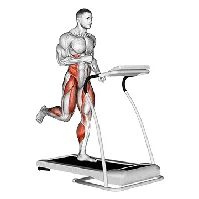
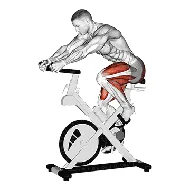
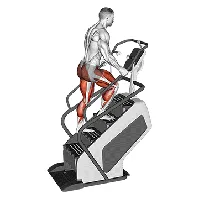
Stair climber (if you have gym access): 20-30 minutes, 2-3x per week. This mimics the quad burn of skiing better than running.
Goal: Get your heart and lungs used to sustained effort so that your muscles are not competing for all your oxygen levels.
Why it matters: Skiing is partly aerobic. If you can't sustain 30 minutes of cardio, you're not skiing a full day without stopping every 3 runs to rest your precious legs.
Week 3-4: Leg Strength (Quads, Glutes, Hamstrings)
This is where the real work starts. Skiing destroys your quads. If they're not strong, they'll burn out in the first hour, and you'll spend the rest of the day in survival mode.
Exercises (3x per week, full-body or lower-body focus):
1. Squats (bodyweight or weighted):
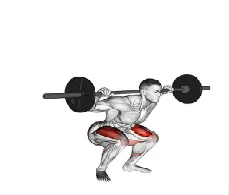
3 sets of 12-15 reps. Go as low as you can while keeping your knees tracking over your toes. This builds quad and glute strength for the loading phase of turns.
2. Lunges (forward, reverse, or walking):
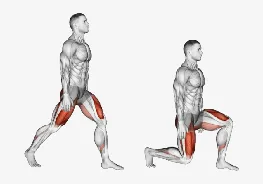
3 sets of 10 per leg. Mimics the single-leg loading you do while skiing. Bonus: Helps with balance.
3. Wall Sits:
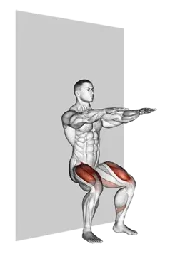
3 sets of 45-60 seconds. Hold a squat position with your back against a wall, knees at 90 degrees. This is brutal, but it's the closest thing to the sustained quad burn of skiing.
4. Step-Ups (on a bench or box):
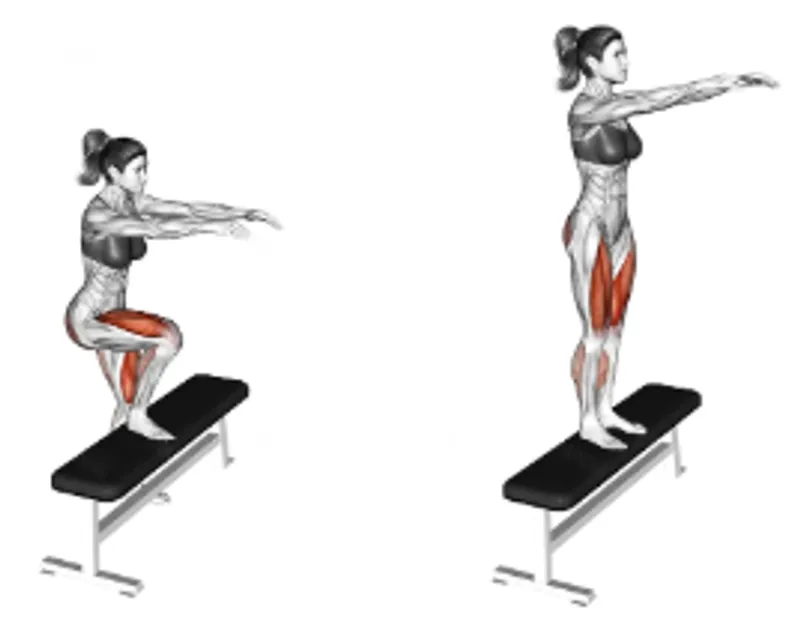
3 sets of 12 per leg. Builds single-leg power for getting out of turns.
5. Glute Bridges:
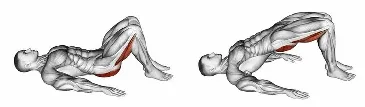
3 sets of 15. Strengthens glutes and hamstrings (often neglected, but critical for stability).
Why it matters: Your quads, glutes, and hamstrings are the primary movers in skiing. If they're weak, your knees take over, and that's how you get injured.
Week 5-6: Balance, Agility, and Single-Leg Work
Skiing is asymmetrical. You're constantly shifting weight from one leg to the other, balancing on edges, and recovering from off-balance moments. If your balance sucks, your skiing suffers.
Exercises (3x per week):
1. Single-Leg Squats (or pistol squats if you're advanced):
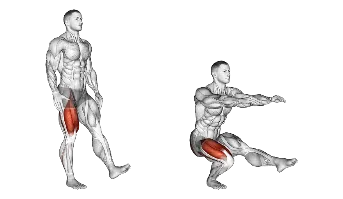
3 sets of 8 per leg. Stand on one leg, squat down as far as you can, and stand back up. Use a chair or wall for balance if needed.
2. Single-Leg Deadlifts:
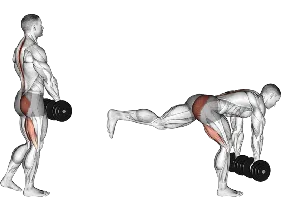
3 sets of 10 per leg. Stand on one leg, hinge at the hips, reach toward the ground with your opposite hand. Builds hamstring and glute strength while challenging balance.
3. Bosu Ball or Balance Board Work:
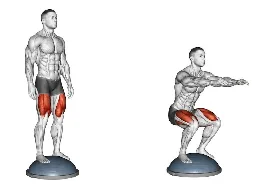
3 sets of 1-minute holds. Stand on an unstable surface (Bosu ball, balance board, even a couch cushion) and maintain balance. Mimics the instability of skiing on uneven terrain.
4. Lateral Hops (side-to-side):
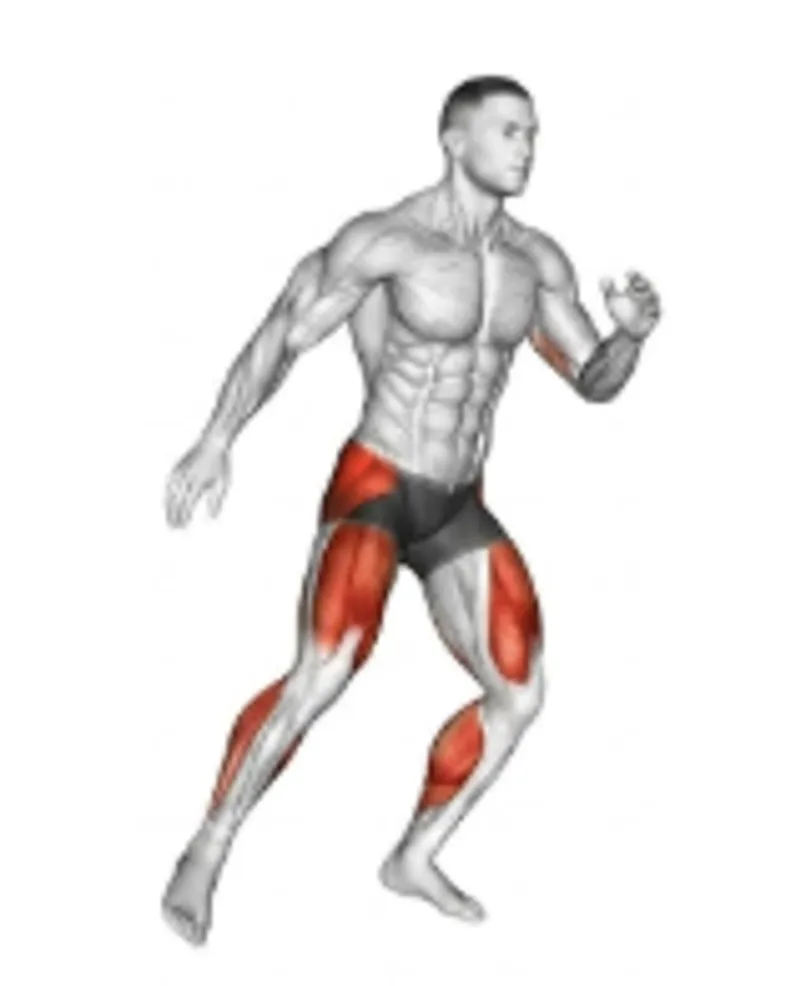
3 sets of 15-20 hops. Jump side to side over a line or small obstacle. Builds lateral power and mimics the side-to-side loading of ski turns.
5. Box Jumps (optional, if you have access to a plyometric box):
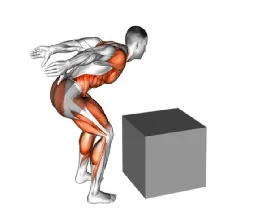
3 sets of 8-10 jumps. Explosive power for quick edge-to-edge transitions.
Why it matters: Skiing is unstable. If you can only squat with both feet planted, you're not training the movements you actually use on the mountain.
Week 7-8: Ski-Specific Endurance and Lateral Movements
This is the final push. You're simulating the sustained, repetitive loading that skiing demands.
Exercises (3-4x per week):
1. Skater Hops:
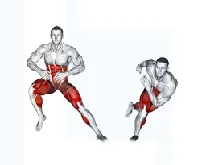
3 sets of 20 (10 per side). Jump laterally from one leg to the other, landing softly and holding for 1 second. This mimics the lateral push-off and landing of skiing.
2. Wall Sits (Extended Duration):
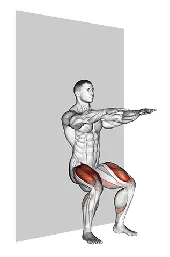
3 sets of 90-120 seconds. If you can hold a wall sit for 2 minutes, your quads are ready for opening day.
3. Jumping Lunges:
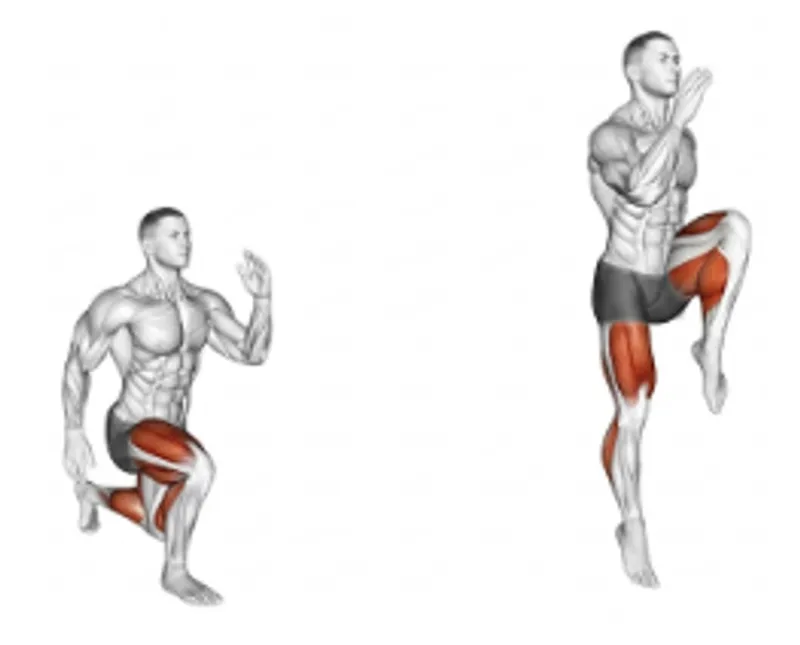
3 sets of 12 (6 per leg). Lunge position, jump and switch legs mid-air. Builds explosive power and endurance.
4. Mountain Climbers:
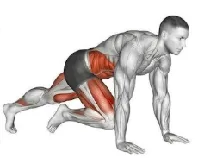
3 sets of 30 seconds. High plank position, drive your knees toward your chest rapidly. Builds core stability and cardio endurance.
5. Plank Variations (front plank, side plank):
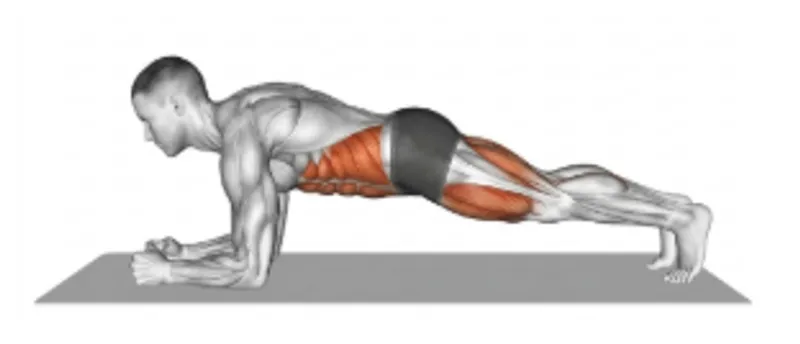
3 sets of 60 seconds each. Skiing uses your core more than you think — it stabilizes your upper body while your legs do all the turning.
Why it matters: Skiing is repetitive. You're making 20-30 turns per run, all day long. If your legs can't handle sustained lateral loading, they'll give out.
The Wall Sit Test: Can You Hold 2 Minutes?
This is the benchmark. If you can hold a wall sit (back against wall, knees at 90 degrees, thighs parallel to the ground) for 2 minutes, your quads are ready for a full day of skiing.
If you can only hold 30-45 seconds, you'll struggle on opening day. Test yourself in Week 1, then retest in Week 8. The improvement will be obvious.
Flexibility and Mobility: The Forgotten Component
Strong legs are useless if your hips and ankles are tight. Skiing requires a full range of motion — deep knee bends, ankle flex, hip rotation.
Stretches to do daily (5-10 minutes):
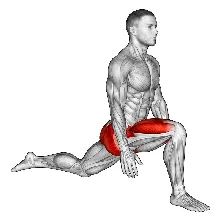
1. Hip Flexor Stretch:
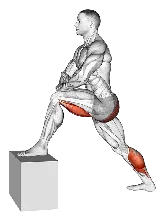
Lunge position, push your hips forward. Skiing keeps your hips flexed all day; tight hip flexors lead to lower back pain.
2. Ankle Mobility (ankle circles, calf stretches):
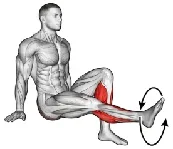
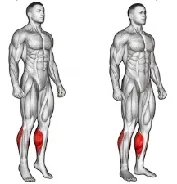
Sit on the ground, rotate your ankles 20x each direction. Stretch your calves by leaning into a wall. Tight ankles = can't get forward in your boots.
3. Hamstring Stretch:
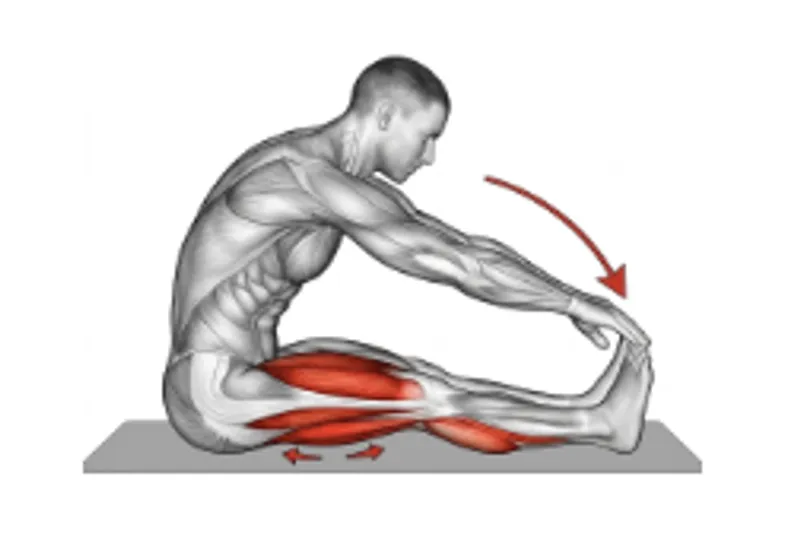
Sit on the ground, legs straight, reach for your toes. Hold for 30 seconds.
4. Quad Stretch:
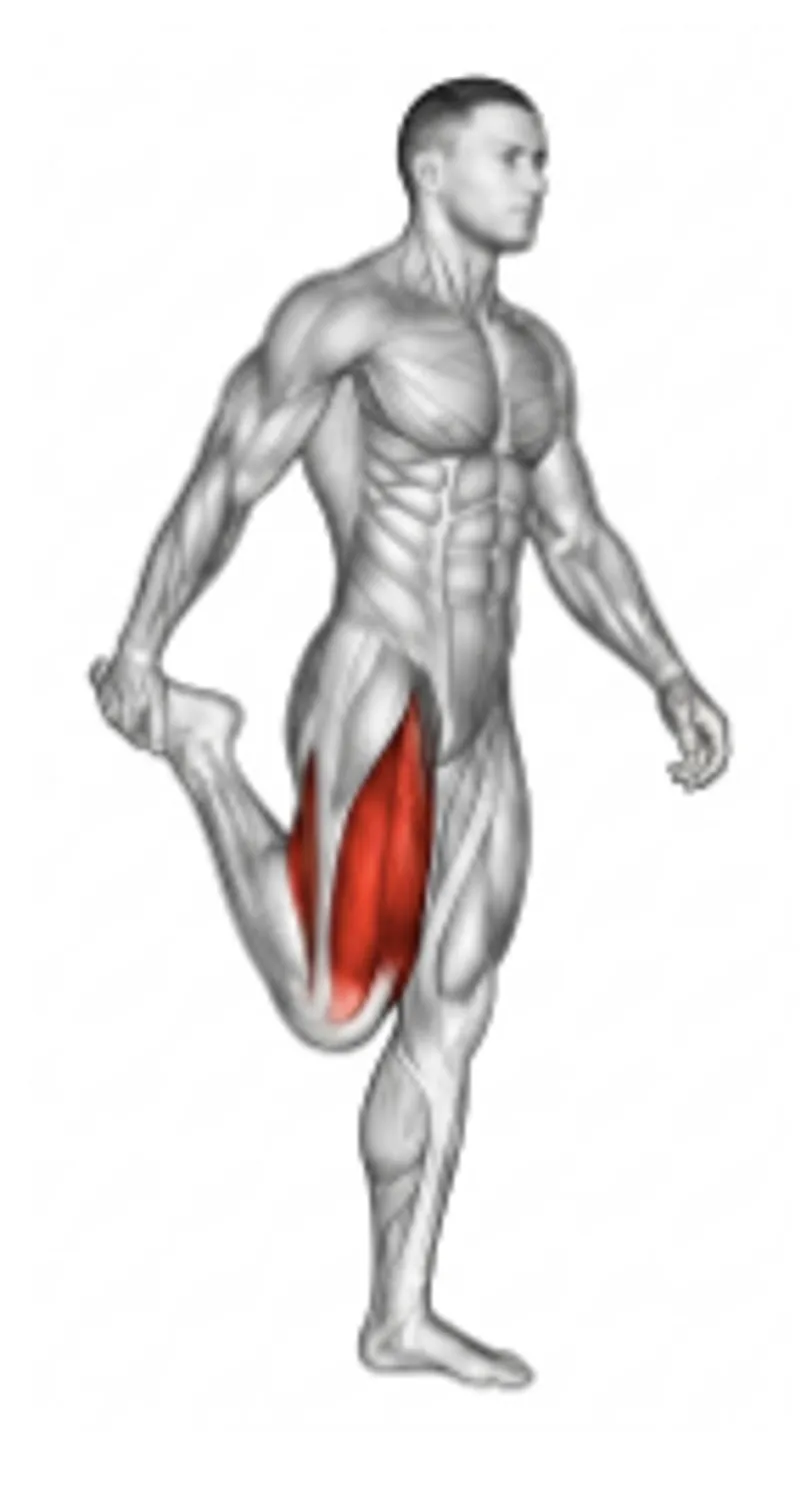
Stand on one leg, pull your other foot toward your butt. Hold for 30 seconds per leg.
5. Pigeon Pose (yoga stretch for hips):
Honestly, the best hip opener for skiers.
Why it matters: Tight hips and ankles restrict your range of motion, which limits your skiing. Plus, flexibility reduces injury risk.
Home Gym vs Gym Membership: What You Actually Need
You don't need a gym. Bodyweight squats, lunges, wall sits, and planks can all be done at home. Add a set of dumbbells (15-25 lbs) if you want to add weight to squats and lunges.
If you have gym access: Use the stair climber (best cardio for ski prep), use a leg press or squat rack for weighted squats, and use a Bosu ball for balance work.
But none of that is required. The bodyweight plan above will get you ready.
Nutrition: Fuel the Training
You're working out 3-4x per week. If you're not eating enough protein and carbs, your legs won't recover, and you'll stall out.
Basic guidelines:
Protein: 0.7-1g per pound of bodyweight (if you weigh 150 lbs, aim for 105-150g protein/day)
Carbs: Don't cut carbs. You need them to fuel workouts and recover.
Hydration: Drink water. A lot of it. Dehydration kills performance.
You don't need a perfect diet, but if you're training hard and eating garbage, you won't see progress.
The "I'm Too Busy" Version (3x Per Week, 30 Minutes)
If 8 weeks of structured training sounds overwhelming, here's the minimal effective dose:
Workout 1: Cardio — 30 minutes on a bike, treadmill, or stair climber
Workout 2: Legs — 3 sets squats, 3 sets lunges, 3 sets wall sits
Workout 3: Balance and Core — 3 sets single-leg squats, 3 sets lateral hops, 3 sets planks
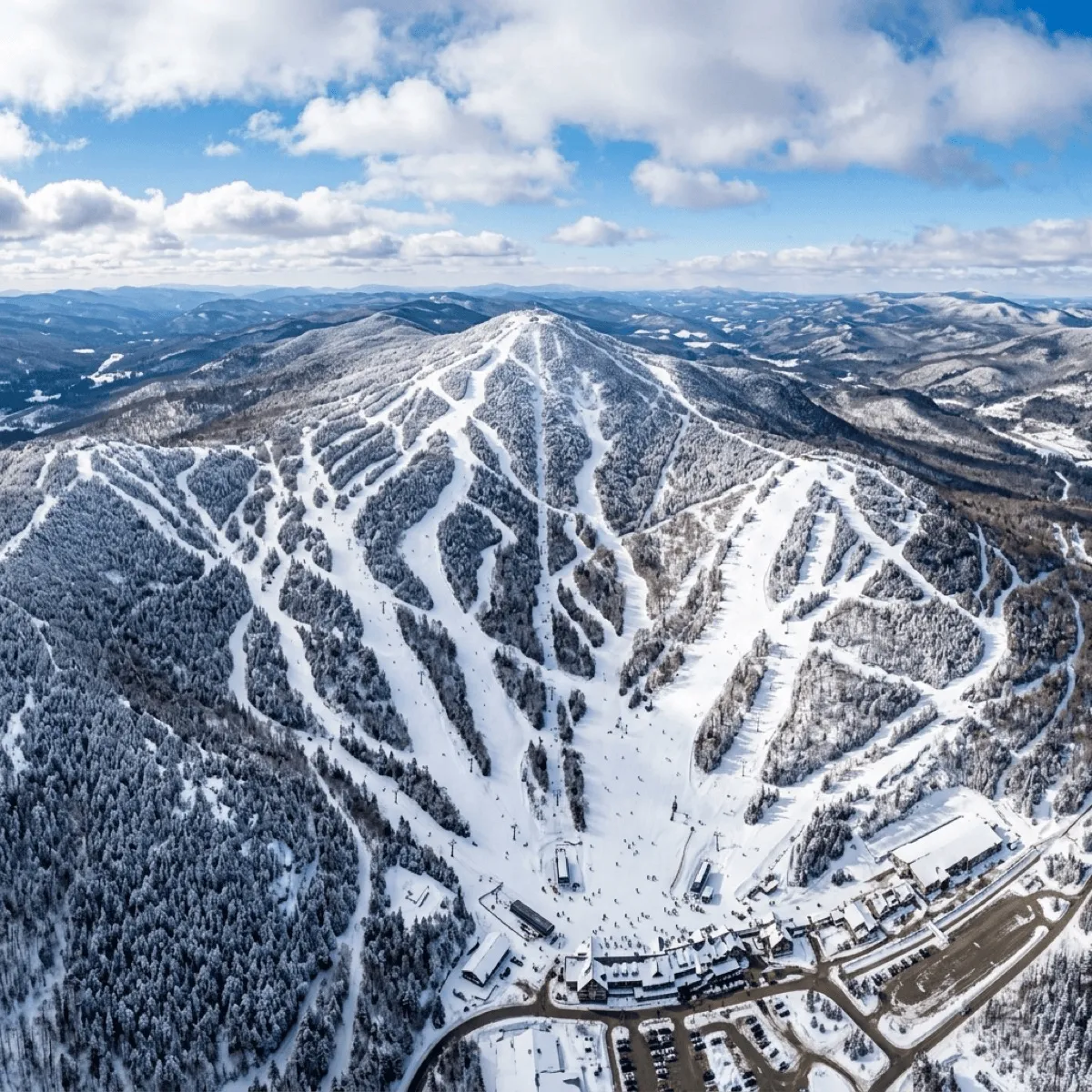
Do that 3x per week for 6-8 weeks, and you'll show up to Killington in way better shape than 90% of skiers.
Your Knees Will Thank You
Ski injuries happen when your muscles are fatigued and your knees start compensating. Strong quads, glutes, and hamstrings take pressure off your knees. Flexibility in your hips and ankles reduces strain on your knee joints.
This isn't just about skiing better — it's about skiing without getting hurt.